

Lawn Tips

No-nonsense lawn care

Practical tips from the crew. The same advice we'd give a neighbor over the fence.

Mowing

The 1/3 Rule: Why How Tall You Cut Matters More Than How Often

Cutting more than a third of the blade in one mow shocks the plant and weakens the roots. Here's the height chart we follow for every grass type in MS.

Most homeowners scalp their lawn without realizing it. The 1/3 rule is the single most important habit you can adopt: never remove more than one-third of the grass blade in a single mow.

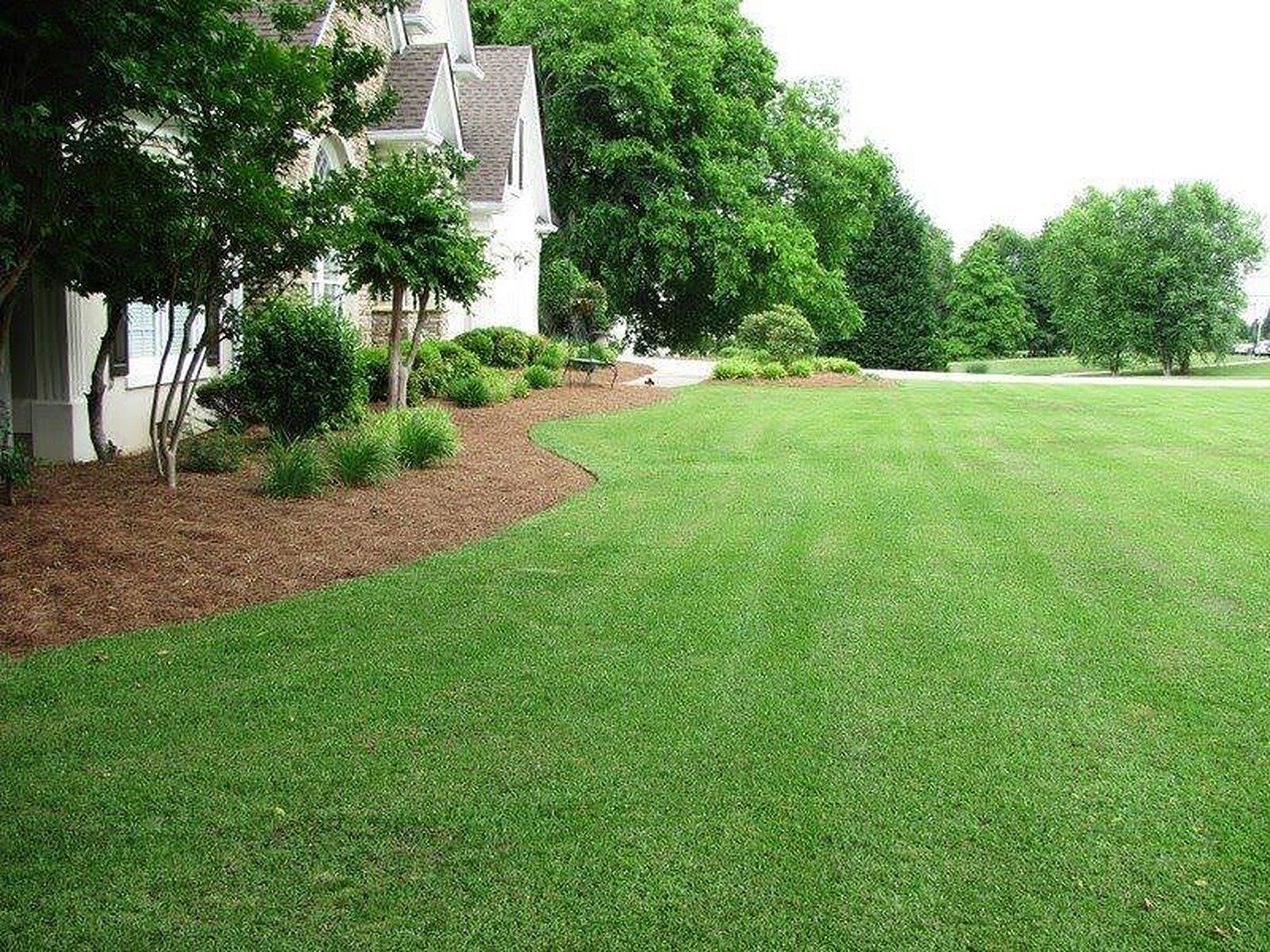
For tall fescue (the most common cool-season grass in Mississippi), keep summer height at 3.5–4 inches. For bermuda, stay between 1–1.5 inches. Going shorter weakens the root system and invites weeds.

Sharp blades matter too. A dull blade tears the grass instead of slicing it, leaving frayed tips that brown out and invite disease. Sharpen at the start of every season.
Watering

Deep & Infrequent: The Watering Math That Actually Works

Most lawns get the wrong amount of water at the wrong time of day. Here's how much, how often, and the tuna-can trick to measure it.

Your lawn wants one inch of water per week — delivered in one or two long sessions, not daily sprinkles. Deep watering trains roots to grow down; shallow watering keeps them at the surface where they bake in summer heat.

The tuna-can trick: put an empty can on the lawn while sprinklers run. When it has an inch of water, you're done. Most zones need 25–40 minutes to hit that mark.

Always water early morning. Evening watering leaves blades wet overnight and breeds fungal disease.

Weeds

Pre-Emergent Timing in Mississippi: Don't Miss the Window

Pre-emergent herbicide stops weeds before they sprout — but only if it's down before soil temps hit 55°F. Here's the local timing.

In Meridian and surrounding areas, soil temperatures usually hit the 55°F threshold in late March. Apply pre-emergent two weeks before that and you'll cut crabgrass pressure by 80% or more.

Miss the window and you're stuck spot-spraying weeds all summer. Set a calendar reminder for the first week of March.

A second application in early fall stops winter annuals like henbit and chickweed before they take hold.

Mulching

Mulch Depth Matters: 2-3 Inches, Never Against the Trunk

Mulched too thin and weeds break through. Mulched too thick and you suffocate roots. Here's the right way to refresh beds.

Aim for 2–3 inches of hardwood mulch in every bed. Less than 2 and weeds push through; more than 3 and water can't reach the soil.

Never volcano-mulch trees. Piling mulch against the trunk traps moisture, invites rot, and kills the tree from the bark in.

Refresh beds once a year — usually in spring. Rake out the old mulch, re-edge the bed line, then top off with fresh material.

Free Download

The Complete Seasonal Lawn Care Guide

The exact 4-season playbook our veteran crews follow on every property. Mowing heights, watering schedules, fertilization windows, and weed-prevention timing — yours free.

  • Season-by-season checklist (Spring → Winter)
  • Mowing-height cheat sheet for 6 grass types
  • The 1/3 rule, watering math, and weed-control timing

Drop your email — we'll send you the PDF and the occasional lawn tip. No spam.

By downloading you agree to receive occasional emails from Military Cutz. Unsubscribe anytime.